
What is a Stainless Steel Sight Glass and How Does It Work
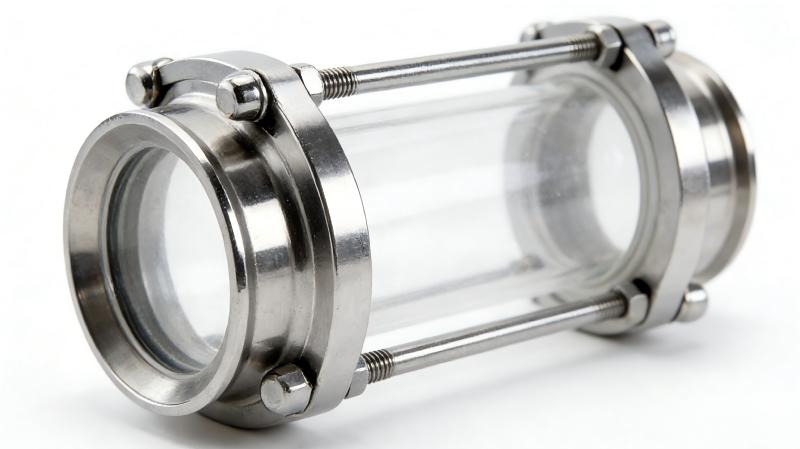
A stainless steel sight glass provides a clear window for operators to monitor fluid conditions inside pipelines or vessels. Stainless steel and high-quality glass ensure strength, corrosion resistance, and hygiene in demanding environments. Sangyie stands out as a trusted brand, offering tubular sight glasses that support safe fluid observation in industries such as petrochemical, pharmaceutical, food, and energy.
Key Takeaways
-
A stainless steel sight glass allows operators to monitor fluid conditions in real time, enhancing safety and efficiency in various industries.
-
The combination of durable stainless steel and high-quality glass ensures corrosion resistance and hygiene, making it ideal for demanding environments.
-
Proper installation and maintenance are crucial for the reliable performance of sight glasses; following manufacturer guidelines helps prevent common errors.
-
Regular inspections and scheduled replacements of sight glasses are essential to maintain product quality and prevent unexpected failures.
-
Sangyie Tubular Sight Glasses support multiple pipeline standards, making them versatile and easy to integrate into different industrial systems.
Stainless Steel Sight Glass Overview
Definition and Purpose
A stainless steel sight glass acts as a critical observation point in many industrial fluid systems. This device features a robust stainless steel frame combined with a transparent glass window. Operators use it to monitor the flow, clarity, and condition of liquids or gases inside pipelines or vessels. The primary purpose centers on providing real-time visual access to process fluids, which helps maintain safety and efficiency. Operators can check the operational status of equipment and the overall system without stopping production. This capability supports continuous monitoring and rapid response to any irregularities.
The stainless steel sight glass stands out for its durability and resistance to corrosion. These qualities make it suitable for demanding environments, such as chemical processing plants, pharmaceutical facilities, and food production lines. The combination of stainless steel and high-quality glass ensures hygiene and long service life, even under high pressure or temperature.
Visual Inspection Function
A stainless steel sight glass offers several important visual inspection capabilities in industrial settings:
-
It provides a safe, sealed view into process systems. Operators can observe fluid movement and vessel conditions without exposing the product to contamination.
-
The device allows for direct visual confirmation of cleaning cycles, mixing uniformity, and product contamination. This feature enhances quality assurance and reduces downtime.
-
Real-time visual access to critical process conditions, such as mixing effectiveness and flow patterns, supports process optimization.
Note: Visual inspection through a sight glass requires proper lighting and trained personnel for accurate evaluations. Surface conditions, such as roughness or contamination, may affect the effectiveness of the inspection.
The stainless steel sight glass remains an essential tool for maintaining product quality and process safety. Its design enables operators to detect changes quickly and take corrective action, which minimizes risks and maximizes operational efficiency.
Components

Stainless Steel Body
The body forms the backbone of a stainless steel sight glass. Manufacturers use high-grade stainless steel, such as AISI-304 or AISI-316L, to ensure durability and hygiene. This material resists corrosion, which is essential in industries like food and pharmaceuticals. Operators can rely on stainless steel to withstand harsh cleaning and sterilization routines. The smooth finish of the metal helps prevent microbial growth, supporting sanitary operations.
-
Stainless steel provides excellent corrosion resistance.
-
It has a smooth finish that helps prevent microbial growth.
-
Its durability ensures long-lasting performance in demanding environments.
Chemical resistance ensures that both the glass and the metal housing maintain integrity over time. Stainless steel housings offer a balance of strength and corrosion resistance for general-purpose use.
Glass Tube
The glass tube acts as the transparent window for fluid observation. Different types of glass serve specific industrial needs:
-
Borosilicate Glass: Offers excellent resistance to thermal shock and chemicals.
-
Soda-Lime Glass: Common in standard applications but less resistant to temperature changes.
-
Fused Quartz: Handles extreme temperature and pressure conditions.
-
Sapphire Glass: Suitable for the most demanding environments.
Sangyie Tubular Sight Glasses use pressure-resistant glass to provide a clear, 360-degree view. This design allows operators to monitor fluid levels and quality from any angle.
Seals and Flanges
Seals and flanges secure the glass tube to the stainless steel body. These components prevent leaks and maintain system integrity. The table below shows common materials used:
| Material Type | Examples |
|---|---|
| Flange Material | carbon steel, stainless steel, 304, 316, 316L |
| Sealing Materials | nitrile rubber, silicone, polytetrafluoroethylene, graphite composite |
The design of seals and flanges plays a key role in leak prevention. Robust materials withstand pressure changes and temperature fluctuations. Flanged connections make installation and maintenance straightforward. High-quality seals ensure the assembly remains leak-free, even under demanding conditions.
Operation
Installation Process
Proper installation ensures reliable performance and safety for Sangyie Tubular Sight Glasses. Technicians should follow a systematic approach to avoid common errors and maximize the lifespan of the equipment.
Step-by-step installation process:
-
Site Preparation Technicians select an appropriate location on the pipeline, ensuring enough straight pipe length both upstream and downstream. This placement prevents turbulence and allows accurate observation.
-
Pipeline Alignment They check the alignment of the pipeline before installation. Forced connections can stress the glass and metal components, so adjustments must be made for a perfect fit.
-
Component Inspection All parts, including the glass tube, stainless steel body, seals, and flanges, should be inspected for defects or contamination.
-
Mounting the Sight Glass The sight glass is positioned and secured using compatible flanges. Sangyie Tubular Sight Glasses support various pipeline standards, such as DIN, SMS, BS/RJT, ISO/IDF, and ASME/BPE, making them suitable for a wide range of systems.
-
Seal Installation Technicians select gaskets and seals that match the process fluid and temperature requirements. Proper installation prevents leaks and maintains system integrity.
-
Tightening and Final Checks Clamps or bolts are tightened evenly. Over-tightening can cause mechanical stress and potential failure. A final inspection ensures correct alignment and secure connections.
Tip: Always follow the manufacturer’s installation manual and industry standards to avoid errors and ensure safety.
The table below highlights common installation errors and preventive measures:
| Common Installation Errors | Preventive Measures |
|---|---|
| Improper Selection of Installation Location | Follow manufacturer’s manual; ensure sufficient straight pipe lengths. |
| Improper Piping Connection and Support | Adjust pipeline alignment before installation; avoid forced connections. |
| Poor Grounding and Shielding Practices | Use shielded cables and ensure single-end grounding of shields. |
| Mismatch Between Process Conditions | Select proper materials and protection grades based on medium and process needs. |
| Lack of Commissioning and Calibration | Conduct full commissioning, including zero, span, and loop checks. |
Sangyie Tubular Sight Glasses operate reliably within a standard working temperature range of -10°C to 120°C (14°F to 248°F) for silicon gaskets. Other materials can extend this range, and certain stainless steel sight glass models in the industry can withstand temperatures up to 180°C or higher.
Maintenance and Calibration
Routine maintenance and calibration keep the sight glass functioning at peak performance. Sangyie recommends a structured approach to servicing.
Key maintenance procedures include:
-
Correct alignment: Misalignment can bend the glass, increasing the risk of fracture.
-
Proper gasket and seal selection: Gaskets must match the process fluid and temperature.
-
Avoid over-tightening: Excessive force on clamps or bolts can create mechanical stress and lead to failure.
-
Protective shielding: Guards or cages prevent accidental mechanical damage from tools or projectiles.
-
Regular visual inspections: Operators should check for scratches, etches, or clouding, as these defects can weaken the glass.
-
Scheduled replacement: Replacing sight glasses on a regular schedule relieves long-term sealing stress.
-
Careful cleaning: Use appropriate brushes or remove the glass for cleaning to avoid surface damage.
The table below summarizes these procedures:
| Maintenance Procedure | Description |
|---|---|
| Correct alignment | Prevents bending and fracture of the glass. |
| Proper gasket and seal selection | Ensures compatibility with process fluid and temperature. |
| Avoid over-tightening clamps or bolts | Reduces risk of mechanical failure. |
| Use protective shielding or guard installations | Follows safety best practices. |
| Perform regular visual inspections | Detects scratches, etches, or clouding early. |
| Replace sight glasses on a scheduled basis | Relieves long-term sealing stress. |
| Clean carefully | Prevents contact damage to the glass. |
| Maintain a guard or cage around the glass | Protects against accidental mechanical damage. |
Note: Regular maintenance extends the service life of the equipment and ensures process safety.
Calibration Guidelines:
-
Manufacturers recommend calibration every six months or after significant system changes.
-
Regular checks maintain accuracy and reliability, especially in high-pressure applications.
-
Calibration includes zero, span, and loop checks to verify proper operation.
Sangyie Tubular Sight Glasses support easy servicing and calibration, minimizing downtime. Their compatibility with multiple pipeline standards and robust construction make them a dependable choice for industrial fluid monitoring.
Applications and Benefits

Industrial Uses
Many industries rely on sight glasses to ensure process safety and product quality. Operators in food and beverage plants use these devices with sanitary gaskets to meet strict hygiene standards. Pharmaceutical facilities depend on them to monitor fluid purity and cleanliness. The table below highlights common applications:
| Industry | Specific Application |
|---|---|
| Food and Beverage | Used with sanitary gaskets to meet sanitary standards. |
| Pharmaceutical | Ensures purity and cleanliness in fluid systems for process monitoring. |
Operators in petrochemical and energy sectors also use sight glasses to observe fluid flow, detect impurities, and verify system integrity. These applications help maintain compliance with industry regulations and support efficient production.
Note: Safety and regulatory requirements play a critical role in these industries. Operators must always depressurize and cool the system before working on or around the sight glass. They should use personal protective equipment, avoid over-torquing flanges, and inspect for damage before re-pressurizing. Protective screens guard the glass, and correct alignment prevents bending and fracture. Selecting proper gaskets and seals, performing regular inspections, and scheduled replacements ensure long-term reliability.
Advantages of Stainless Steel
Stainless steel offers several advantages for sight glass construction. The material resists corrosion, which is essential in harsh environments. The following points summarize the benefits:
-
316 stainless steel contains molybdenum, which enhances resistance to chlorides and pitting corrosion.
-
304 stainless steel works well in dry, indoor conditions but may corrode in the presence of chlorides.
-
316 stainless steel is often called marine-grade due to its superior performance in coastal and high-humidity environments.
These properties make stainless steel sight glass assemblies ideal for demanding industrial settings.
Sangyie Product Features
Sangyie Tubular Sight Glasses deliver robust performance and versatility. Operators benefit from a 360-degree view, which allows easy observation from any angle. The design supports a wide range of pressure and temperature requirements. The table below outlines the maximum ratings for different glass types:
| Type | Pressure Rating | Temperature Range |
|---|---|---|
| Soda-lime glass | ≤2.5 MPa | −60 ℃ to 200 ℃ |
| Borosilicate glass | ≤6.3 MPa | Up to ≈450 °C |
| Low-temperature borosilicate | N/A | Safe to −60 °C |
Sangyie offers multiple material options, including AISI-304 and AISI-316L stainless steel, to match specific process needs. Their products comply with various pipeline standards, making them suitable for global operations. The combination of durability, safety, and ease of maintenance positions Sangyie as a preferred choice for industrial fluid monitoring.
A stainless steel sight glass gives operators a reliable way to monitor fluid conditions in real time. Sangyie Tubular Sight Glasses combine robust stainless steel with pressure-resistant glass for long-lasting performance. Users should consider factors such as line size, pressure, temperature, and cleaning strategy when selecting a sight glass. Sangyie’s products support safe, efficient fluid monitoring across many industries. Their durability and compatibility make them a smart choice for process safety and quality control.
FAQ
What is the main purpose of a stainless steel sight glass?
A stainless steel sight glass lets operators visually monitor fluid flow, level, and quality inside pipelines or vessels. This device helps maintain process safety and product quality in industries like food, pharmaceuticals, and petrochemicals.
How often should operators inspect or replace a sight glass?
Operators should inspect sight glasses regularly for scratches, clouding, or leaks. Most manufacturers recommend scheduled replacement based on usage and process conditions. Routine checks help prevent unexpected failures and maintain safety.
Which pipeline standards do Sangyie Tubular Sight Glasses support?
Sangyie Tubular Sight Glasses fit multiple pipeline standards, including DIN, SMS, BS/RJT, ISO/IDF, and ASME/BPE. This compatibility allows easy integration into various industrial systems.
What materials are available for Sangyie sight glass gaskets?
Operators can choose from several gasket materials:
| Material | Features |
|---|---|
| Silicon | Good temperature resistance |
| EPDM | Chemical compatibility |
| FRM | Durability and flexibility |
Selecting the right gasket ensures reliable sealing.
Can Sangyie sight glasses handle high temperatures and pressure?
Sangyie Tubular Sight Glasses withstand temperatures from -10°C to 120°C with standard silicon gaskets. Other materials can extend this range. The pressure-resistant glass and robust stainless steel body ensure safe operation under demanding conditions.
[Click Here to Contact Us / Visit our Website at www.sangyie.com / Email us at [info@sangyie.com]
Sangyie Technology — Engineering the Flow of Your Success.
How to Choosing Sanitary Rotary Cleaners vs. Static Spray Balls: An Expert Guide from Sangyie
3 reasons centrifugal pump beats other pump types in 2026
Related Article

DIN 11866 is the overarching standard for aseptic systems that uses DIN 11850 as its "Series A" option.