
What is a Sanitary Pump? Engineering Hygienic Excellence
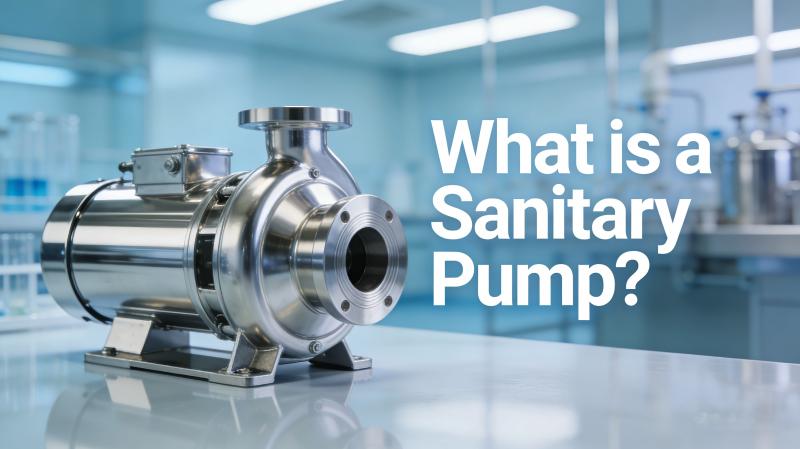
In industries governed by stringent compliance standards—such as pharmaceuticals, biotechnology, and food processing—fluid transfer equipment represents a critical control point for product integrity. Among these components, the sanitary pump serves as the operational heart of the processing line.
For engineering professionals and procurement specialists, understanding the technical distinction between a standard industrial pump and a sanitary pump is paramount. At Sangyie, we define a sanitary pump not merely as a transport mechanism, but as a guardian of sterility.
Defining the Sanitary Pump
Technically, a sanitary pump is a fluid handling device engineered to facilitate the transport of slurries, liquids, and pastes while maintaining strict hygienic conditions. Unlike utility pumps, the primary design philosophy of a sanitary pump focuses on cleanability and the elimination of dead zones where bio-burden or particulate matter could accumulate.
These pumps must adhere to rigorous international standards, including 3-A Sanitary Standards, EHEDG guidelines, and FDA requirements for wetted parts.
Critical Engineering Features
To be classified as sanitary, the equipment must exhibit specific metallurgical and geometric characteristics. As a professional sanitary pumps manufacturer, Sangyie prioritizes the following specifications:
1. Metallurgical Integrity (AISI 316L)
Sanitary pumps are constructed almost exclusively from AISI 316L stainless steel. This low-carbon alloy offers superior corrosion resistance against chloride-rich environments and aggressive acidic/alkaline cleaning agents used in sterilization cycles.
2. Surface Finish and Ra Values
The internal surface topography is critical for preventing biofilm formation. Sangyie pumps feature electropolished or mechanically polished wetted surfaces with a Roughness Average (Ra) of less than 0.8μm. This ultra-smooth finish ensures optimal hydrodynamics and prevents product adhesion.
3. CIP/SIP Compatibility
Modern processing demands efficiency. Sanitary pumps are engineered for Clean-in-Place (CIP) and Sterilization-in-Place (SIP) protocols. The crevice-free design allows cleaning fluids to circulate at high velocities, ensuring thorough sanitation of seals, rotors, and casings without requiring disassembly.
Why Partner with Sangyie?
Sourcing from a general distributor often leads to compatibility issues. As a dedicated sanitary pumps supplier and manufacturer, Sangyie offers a distinct advantage: System Integration.
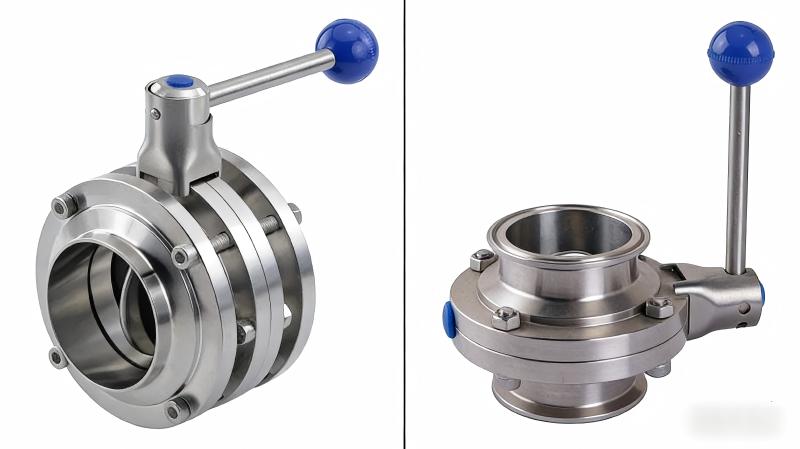
A pump does not operate in isolation. It functions within a complex ecosystem of sanitary valves, high-shear mixers, and precision pipe fittings. Sangyie provides a comprehensive portfolio of high-purity components, ensuring seamless connectivity and leak-free performance across your entire piping infrastructure.
Conclusion
Whether you are managing a WFI (Water for Injection) loop in a pharmaceutical plant or a pasteurization process in a dairy facility, the quality of your pump dictates the safety of your end product.
Do not compromise on sterility. Choose a sanitary pumps manufacturer that understands the science of hygiene.
Elevate your process efficiency with Sangyie. Contact our engineering team today to discuss your specific fluid handling requirements.
[Click Here to Contact Us / Visit our Website at www.sangyie.com / Email us at [info@sangyie.com]
Sangyie Technology — Engineering the Flow of Your Success.
What is a Single Seat Valve? Hygienic Flow Control Explained
3A vs. ASME BPE Standards: The Essential Guide for Biotech & Pharma Compliance
Related Article

DIN 11866 is the overarching standard for aseptic systems that uses DIN 11850 as its "Series A" option.