Sanitary Air Relief Valve vs. Standard Air Compressor Relief Valve: Key Differences for Industrial Buyers
In the world of industrial processing, pressure management is critical for safety and efficiency. For procurement managers and engineers in the food, beverage, pharmaceutical, and semiconductor industries, searching for the right pressure control component often starts with generic terms like "air pressure relief valve" or "air compressor relief valve."
However, there is a massive difference between a standard industrial utility valve and a sanitary air relief valve. Choosing the wrong one can lead to contamination, failed inspections, and costly downtime.
As a leading manufacturer committed to R&D and innovation, Sangyie is here to clarify these differences and help you select the perfect solution for your hygienic processing lines.
The Core Difference: Hygiene vs. Utility
While both types of valves serve the function of relieving excess pressure to prevent equipment failure, their design philosophies are opposites.
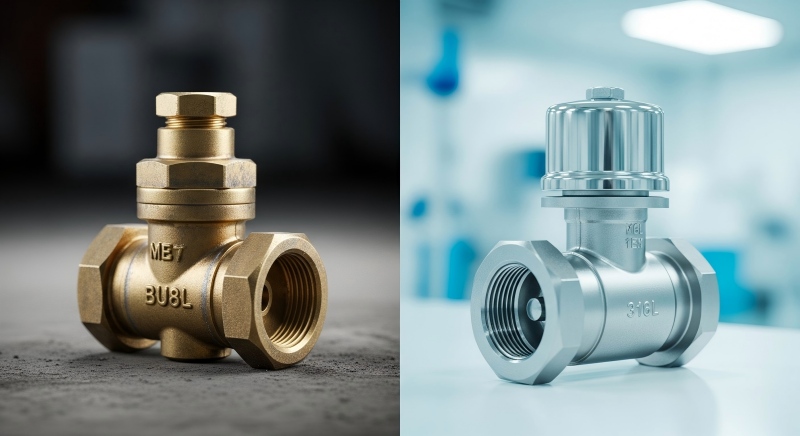
1. Standard Air Compressor Pressure Relief Valves
These are typically designed for utility air lines, pneumatic tools, or general industrial machinery.
-
Material: Often made of brass, carbon steel, or lower-grade stainless steel.
-
Design: Internal structures often contain threads, pockets, and springs exposed to the media.
-
Risk: These "dead corners" trap moisture, oil, and bacteria. In a brewery or dairy plant, using a standard air compressor pressure relief valve in direct contact with the product or sterile air tank is a major contamination risk.
2. Sangyie Sanitary Air Relief Valves
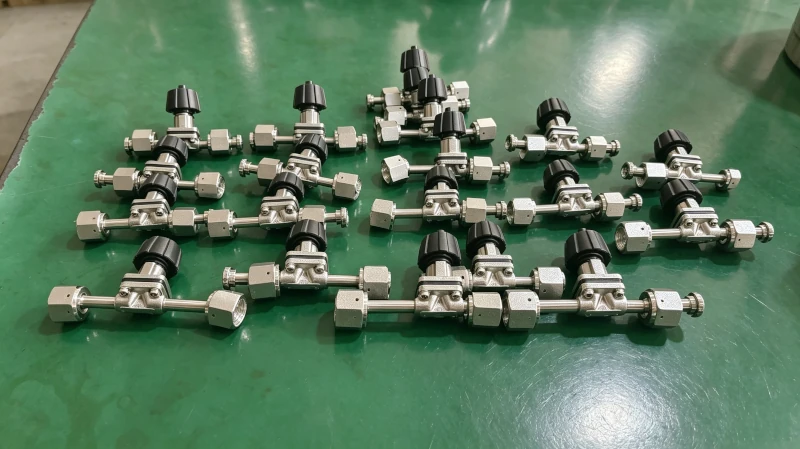
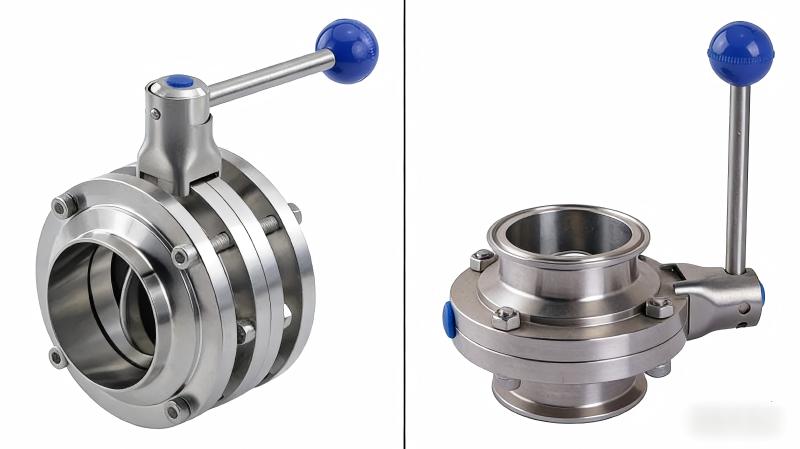
Designed specifically for industries like Bio-Pharm, Dairy, Brewing, and Semiconductors, our valves prioritize sterility and cleanability.
-
Material: Manufactured from high-quality AISI 304 or 316L Stainless Steel.
-
Surface Finish: Precision-polished (Ra < 0.8µm or 0.4µm) to prevent bacterial adhesion.
-
Design: Crevice-free, self-draining, and suitable for CIP (Clean-in-Place) and SIP (Sterilize-in-Place) processes.
Why the "Air Relief Valve" Matters in Hygienic Processing
In sectors like semiconductor manufacturing and biotechnology, purity is the product.
When you use an air relief valve on a fermentation tank or a WFI (Water for Injection) loop, the valve must breathe. It releases excess pressure during filling or heating and allows air in during draining to prevent vacuum collapse.
If you were to use a standard air compressor relief valve here, the non-sanitary internal components would introduce particulates or microorganisms into your sterile tank. This is why Sangyie focuses on "Sanitary Air Relief Valves"—components designed to maintain the integrity of your product.
Sangyie’s Innovation in Pressure Control
At Sangyie, we don't just manufacture; we innovate. Our R&D team understands that a valve is not just a piece of hardware—it is a guardian of your product quality.
Our range of sanitary valves and pipeline fittings are engineered to meet the strictest standards (3A, DIN, SMS, ISO) required by:
-
Food & Beverage: Ensuring zero taste transfer and easy cleaning.
-
Personal Care & Cosmetics: Handling viscous creams without clogging.
-
Pharmaceuticals: Guaranteeing absolute sterility for critical drugs.
Whether you are looking for a specialized air pressure relief valve for a high-purity nitrogen line or a robust vacuum breaker for a milk silo, Sangyie provides solutions that go beyond the capabilities of standard hardware.
Conclusion: Make the Safe Choice for Your Production Line
When your procurement list calls for an air compressor pressure relief valve, pause and ask: "Is this for a utility line, or is it for a sanitary process?"
If the answer involves food, medicine, or high-tech wafers, you need a partner who understands sanitary fluid handling. You need Sangyie.
Ready to upgrade your system's safety and hygiene?
Don’t compromise on quality. Contact Sangyie today for a consultation or to request our latest catalog of sanitary valves, pumps, and high-shear mixers.
[Click Here to Contact Us / Visit our Website at www.sangyie.com / Email us at [info@sangyie.com]
Sangyie Technology — Engineering the Flow of Your Success.
Why DIN 11866 Stainless Steel Tubes are Critical for Semiconductor Cleanrooms
DIN 11866 vs. ASME BPE: Key Differences in Dimensions and Surface Finish
Related Article

DIN 11866 is the overarching standard for aseptic systems that uses DIN 11850 as its "Series A" option.