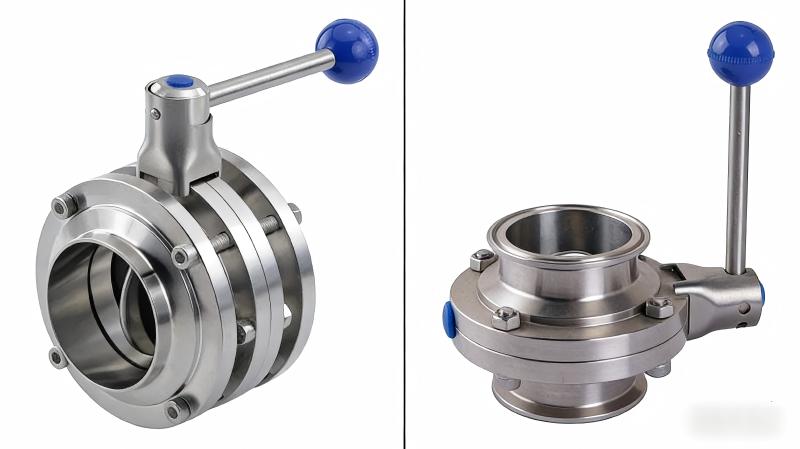
How to select sanitary valves?
2024-12-17
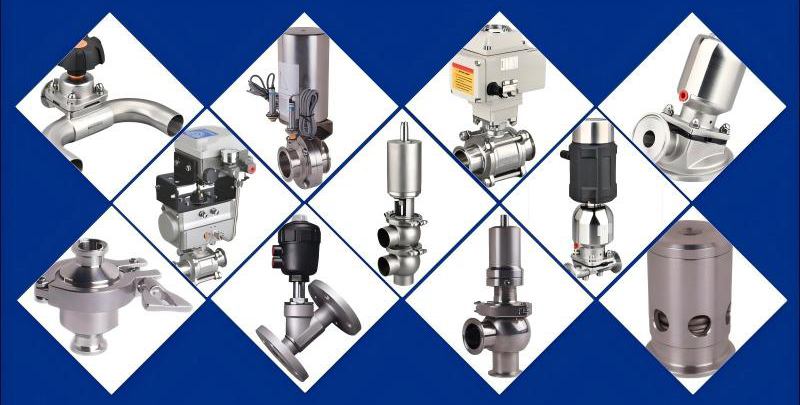
When selecting sanitary valves, there are several factors should be considered. Firstly, the valve material should be suitable for the application and meet the necessary industry standards for cleanliness and hygiene. Secondly, the valve should have a design that minimizes crevices and dead spaces where bacteria can build up. Thirdly, the valve should be easy to clean and maintain, with parts that can be easily disassembled and sterilized. Finally, the valve should be compatible with other equipment in the system, such as pipes and fittings, to ensure a hygienic and efficient process.
How to choose rotary lobe pump and centrifugal pump for products in low viscosity?
Related Article

DIN 11850 is a specific tube standard for hygienic use in the food, dairy, and beverage industries.
DIN 11866 is the overarching standard for aseptic systems that uses DIN 11850 as its "Series A" option.
DIN 11866 is the overarching standard for aseptic systems that uses DIN 11850 as its "Series A" option.
DIN 11850 vs. DIN 11866
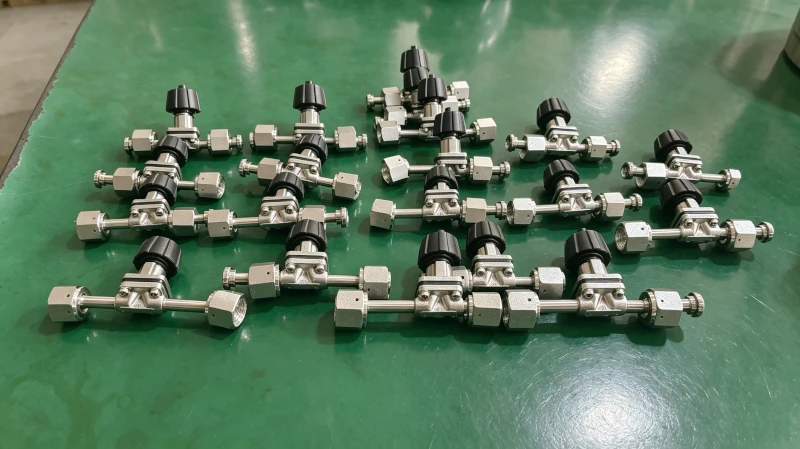
Our new Mini‑Type Diaphragm Valve with VCR Inlet/Outlet delivers the performance of a full‑sized hygienic valve in a fraction of the footprint – engineered specifically for applications where purity, leak‑tightness, and space efficiency are equally critical.
Mini Diaphragm Valves with VCR Connections – Compact Precision for High-Purity Fluid Control