The Ultimate Buyer's Guide to Aseptic Sampling Valves (2025)
In industries where product purity is non-negotiable—such as pharmaceuticals, biotechnology, and food & beverage—maintaining a sterile environment throughout the entire production process is the highest priority. Any breach during sampling can compromise an entire batch, leading to massive financial losses and significant safety risks.
This is where the Aseptic Sampling Valve becomes a critical component in your line of defense. If you're a procurement specialist, plant manager, or process engineer, this comprehensive guide will walk you through everything you need to make an informed purchasing decision in 2025.
What is an Aseptic Sampling Valve?
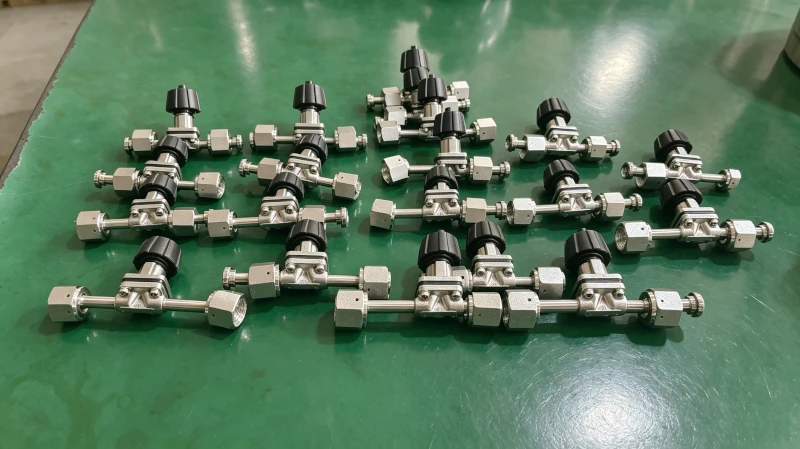
An aseptic sampling valve is a specialized valve designed to withdraw a representative sample of a product from a closed processing tank or pipeline without introducing contaminants or compromising the sterility of the system. Unlike standard valves, they are engineered to eliminate dead zones and allow for thorough cleaning and sterilization, typically via Steam-In-Place (SIP) or Clean-In-Place (CIP) systems.
Key Considerations When Choosing a Valve
Selecting the right valve is more than just comparing price tags. Here are the critical factors to evaluate:
-
Hygienic Design:
-
Zero Dead Leg: The design must ensure there are no areas where fluid can stagnate, preventing microbial growth.
-
Surface Finish: A superior Ra (Roughness average) surface finish, typically <0.8 µm for critical applications, is essential to prevent bacteria adhesion and facilitate easy cleaning.
-
-
Material of Construction:
-
Body: 316L or 304 Stainless Steel are industry standards.
-
Critical Sealing Components: The diaphragm or bellows is paramount. Electropolished 316L Stainless Steel bellows offer superior durability and corrosion resistance compared to PTFE alternatives, especially in repeated high-temperature SIP cycles.
-
-
Functionality and Actuation:
-
Manual vs. Automated: While manual valves are common, automated (pneumatic) valves are essential for integration into modern, unattended processing lines and for enhancing reproducibility.
-
-
Compliance and Certifications: Ensure the valve complies with relevant industry standards, such as 3-A, EHEDG, ASME BPE, and FDA requirements. These are not just acronyms; they are your assurance of quality and safety.
Why the Sangyie Aseptic Sampling Valve is Your Most Reliable Choice
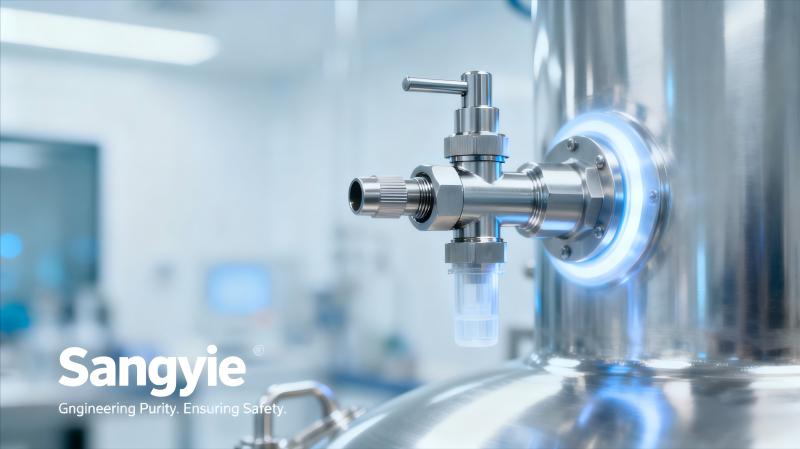
At Sangyie, we have dedicated our engineering expertise to pushing the boundaries of hygienic fluid handling. Our Aseptic Sampling Valve is not just a component; it's a commitment to your product's integrity.
Here’s how we deliver unparalleled value:
-
Patented Diaphragm/Bellows Design: Our valve features a precision-engineered stainless steel bellows that guarantees a hermetically sealed separation between the process medium and the atmosphere. This eliminates the risk of external contamination and ensures a long service life, even in the most aggressive cleaning environments.
-
Optimized for Full Drainability: We have eliminated internal crevices, creating a smooth, continuous flow path. This true zero dead leg design ensures no product residue is left behind, supporting both product recovery and the highest hygienic standards.
-
Seamless Integration with SIP/CIP: The Sangyie valve is built to withstand the rigorous demands of repeated sterilization cycles. Its robust construction ensures consistent performance, batch after batch, reducing downtime and maintenance costs.
-
Global Industry Trust: Sangyie valves are trusted by leading manufacturers in the pharmaceutical, biotech, dairy, and personal care industries. Our products are designed to meet global standards, giving you peace of mind no matter where you operate.
A Simple 5-Step Selection Checklist for Your Next Purchase
Before you place your next order, ask these questions:
-
Application: Is the valve for Food, Pharma, or Biotech? What is the specific medium?
-
Process Conditions: What are the temperature, pressure, and pH levels?
-
Connection: What is your line size and connection type (e.g., Clamp, Weld, Thread)?
-
Actuation: Is manual operation sufficient, or is automation required?
-
Supplier Audit: Does the supplier have a proven track record and provide full material traceability and certifications?
Conclusion: Partner with Confidence
Choosing an aseptic sampling valve is a critical decision that directly impacts your product quality, operational efficiency, and bottom line. It's an investment in peace of mind.
Don't leave sterility to chance. Choose the partner that engineers reliability into every product.
Ready to Specify the Right Valve for Your Process?
Contact the Sangyie experts today! We'll help you navigate your specific requirements and provide you with the technical data and support you need.
[Click Here to Contact Us / Visit our Website at www.sangyie.com / Email us at [info@sangyie.com]
Sangyie Technology — Engineering the Flow of Your Success.
Hygienic Rotor Lobe Pumps: The 2025 Ultimate Guide to Types, Applications, and Selection
Sanitary vs Standard Air Relief Valves: Key Differences & Application Guide
Related Article

DIN 11866 is the overarching standard for aseptic systems that uses DIN 11850 as its "Series A" option.